Nature + Genomics + Design
Rethinking Cell & Gene Therapy

Gene therapies are safe and highly efficacious for conditions such as cancer and sickle cell disease.
But the treatment process is cumbersome – cells removed from the patient, transported to a laboratory, bioengineered, then transported back to the patient who undergoes myeloablation to eliminate old cells prior to infusing the therapy.
The laborious process extends treatment timelines and creates a bottleneck for patients in need, decreasing access to treatment. In addition, myeloablation is associated with risks.
GigaMune’s technology leapfrogs laboratory engineering and delivers gene therapies to the right cells in the patient, and only the right cells, through direct infusion. This may potentially eliminate the need for myeloablation when treating inherited diseases.
CEO and Founder
Nullam dictum felis eu pede mollis pretium. Integer tincidunt. Cras imperdiet dapibus.
VP Research and Founder
Nullam dictum felis eu pede mollis pretium. Integer tincidunt. Cras imperdiet dapibus.
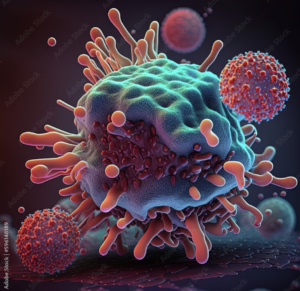
Targeting the right cells with gene therapy is a challenge. The industry relies on only a handful of virus vector protein sequences. Most gene delivery particles make use of a single viral envelope protein.
This lack of protein sequence diversity limits delivery vector options, resulting in either high off-target transduction or, in the case of blood disorders, requiring apheresis and cell sorting prior to transduction.
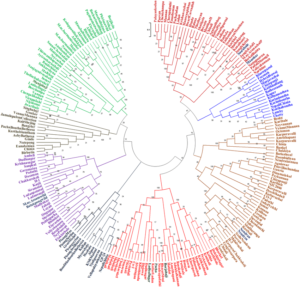
But thousands of cell-specific virus pseudotypes exist in nature. At the same time, massively parallel sequencing has led to an explosion of biological viral sequence data, which is mostly unannotated.
GigaMune is using powerful algorithms to search quadrillions of nucleotides for protein sequences to design gene delivery particles with high specificity and efficiency to enable targeted in vivo gene delivery to the right cells, and only the right cells.
References: Edgar et al.
All commercially available chimeric antigen receptor (CAR) T cell therapies for B cell lymphoma rely on the same antibody sequence, and have similar efficacy.
For multiple myeloma, commercial CAR-Ts rely on different antibody sequences, but differ in efficacy.
Better methods for discovery of new CARs and other receptors relevant to cell therapy would significantly improve treatment options.
GigaMune is using microfluidics and batch library methods to identify optimized CARs and other receptors for the next generation of gene therapies for blood cancers.
Reference Spindler et al., Lim et al.
Pipeline description

Gene therapies for inherited blood disorders such as sickle cell disease have proven highly effective.
However, the treatment process is far less appealing – long timelines, multiple appointments, access to specialty apheresis centers, and myeloablation or lymphodepletion which is associated with medical risks and infertility. For young patients starting their careers and planning children, the downsides of treatment often outweigh the benefits.
GigaMune is using BLAH BLAH to enable in vivo treatment of existing ex vivo gene therapies for inherited disease, potentially eliminating the need for myeloablation/lymphodepletion.


 https://www.staging-t.gigamune.com/wp-content/uploads/2015/07/portfolio-large-1-1.jpg
800
1600
gigamune
https://www.staging-t.gigamune.com/wp-content/uploads/2023/09/gigamune-logo-2017-small-e1695223877713.jpg
gigamune2015-01-24 18:20:212015-01-24 18:20:21A small gallery
https://www.staging-t.gigamune.com/wp-content/uploads/2015/07/portfolio-large-1-1.jpg
800
1600
gigamune
https://www.staging-t.gigamune.com/wp-content/uploads/2023/09/gigamune-logo-2017-small-e1695223877713.jpg
gigamune2015-01-24 18:20:212015-01-24 18:20:21A small gallery https://www.staging-t.gigamune.com/wp-content/uploads/2015/07/business-office-work-1.jpg
1001
1500
gigamune
https://www.staging-t.gigamune.com/wp-content/uploads/2023/09/gigamune-logo-2017-small-e1695223877713.jpg
gigamune2014-08-24 18:56:262014-08-24 18:56:26A nice entry
https://www.staging-t.gigamune.com/wp-content/uploads/2015/07/business-office-work-1.jpg
1001
1500
gigamune
https://www.staging-t.gigamune.com/wp-content/uploads/2023/09/gigamune-logo-2017-small-e1695223877713.jpg
gigamune2014-08-24 18:56:262014-08-24 18:56:26A nice entry953 Indiana St.
San Francisco, CA 94107 USA